
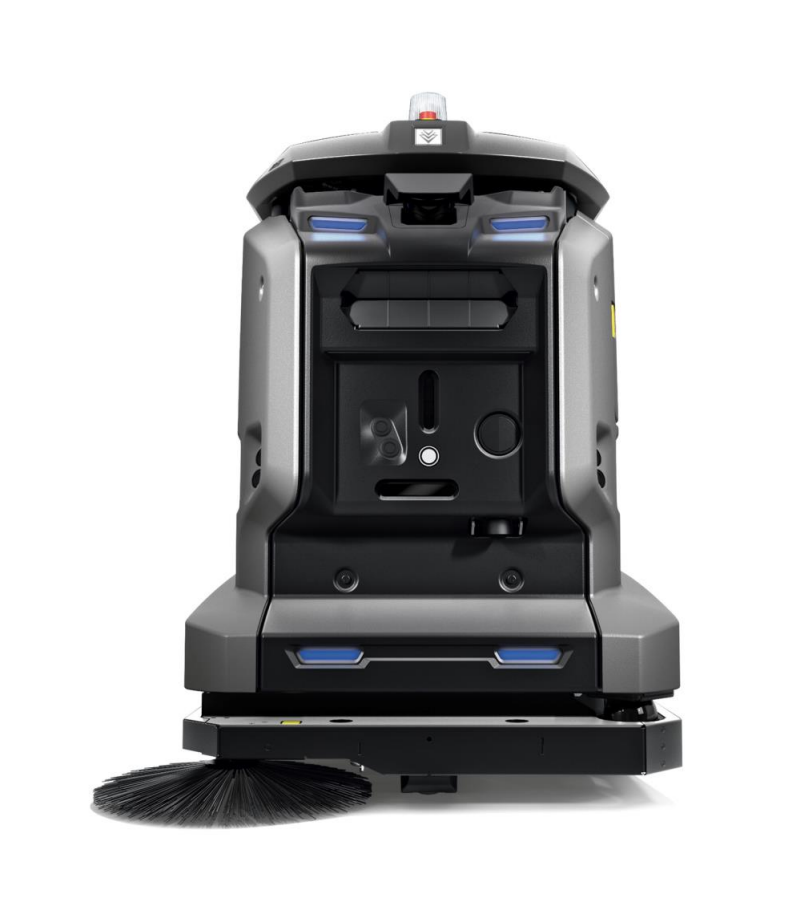
Cleaning used to be simple. A mop, a bucket, and someone wondering why the floor still looked grubby after an hour of effort. Now, machines handle much of the hard work, and smart sensors improve cleaning machines in ways that save time, money, and a surprising number of arguments in warehouses and office buildings. Modern cleaning equipment does far more than spin brushes and spray water. It can detect dirt levels, avoid obstacles, monitor battery life, and even tell managers when someone skipped a corridor. A bit harsh, perhaps, but very useful. Businesses across the UK are turning to sensor-driven cleaning systems because they reduce waste, improve hygiene, and keep operations moving without constant supervision.
Check out our Smart Sensor Scrubber Dryer, KIRA!
Key Takeaways
- Smart sensors improve cleaning machines by helping them detect dirt, movement, and obstacles in real time.
- Businesses save money through lower water, chemical, and maintenance use.
- Sensor technology improves hygiene standards in offices, warehouses, hospitals, and retail spaces.
- Predictive maintenance reduces machine downtime and expensive repairs.
- Automated reporting gives managers better visibility without hovering over staff like a suspicious seagull near chips.
Why Are Smart Sensors Becoming So Popular?

Cleaning technology has changed because businesses expect more from equipment. Nobody wants machines blindly driving into shelves or soaking already clean floors. Smart sensors improve cleaning machines by allowing them to react to their surroundings instantly. Think of sensors as the eyes and ears of the machine. Instead of following a fixed routine like a sleepy commuter on autopilot, the equipment responds to real conditions. Dirtier areas receive more attention, obstacles get avoided, and cleaning routes become smarter over time. This matters in large facilities where wasted minutes turn into wasted budgets. Warehouses, schools, hospitals, and shopping centres all benefit from machines that think ahead rather than simply bump into things and hope for the best.
How Do Smart Sensors Actually Work?

Most cleaning machines use a combination of sensors working together. These include proximity sensors, dirt detection sensors, moisture sensors, and battery monitoring systems. Proximity sensors help machines avoid walls, people, and shelving. Dirt sensors detect heavily soiled areas and increase cleaning intensity automatically. Moisture sensors prevent over-wetting floors, which is useful unless your business model somehow depends on slippery corridors. The data collected feeds into onboard software that adjusts the machine’s behaviour. Smart sensors improve cleaning machines because they replace guesswork with measurable responses. Instead of cleaning every area equally, the machine targets what actually needs attention.
Why Does Dirt Detection Matter So Much?

Traditional cleaning often treats every floor the same. That approach wastes resources. A spotless corridor does not need the same scrubbing power as an entrance during a rainy Tuesday afternoon in Manchester. This is where smart sensors improve cleaning machines by detecting debris levels and triggering stronger cleaning action only where necessary. This saves water, chemicals, and battery life. Over time, the savings become significant, especially in large commercial buildings. Businesses also benefit from more consistent cleanliness. Staff no longer need to rely purely on visual checks. Machines can identify hidden dirt that might otherwise be missed. It is rather like having a cleaning supervisor who never takes tea breaks.
Can Smart Sensors Reduce Costs?

Absolutely. In fact, cost reduction is one of the biggest reasons businesses invest in advanced cleaning equipment. Smart sensors improve cleaning machines by reducing unnecessary usage of water, detergent, and electricity. Machines operate more precisely, meaning fewer wasted resources and lower operational costs. Maintenance expenses also decrease. Sensors monitor machine performance continuously and flag issues before they become major problems. A blocked filter detected early is much cheaper than a complete motor replacement. Nobody enjoys explaining a broken scrubber dryer to the finance department.
How Do Sensors Improve Safety?

Safety is a major concern in commercial cleaning. Wet floors, moving machinery, and crowded environments create risks every day. Modern cleaning machines use obstacle detection sensors to avoid collisions with workers, customers, and stock. Some systems even slow down automatically in busy areas. Moisture control sensors help prevent slippery surfaces by regulating water output. This matters in hospitals, retail spaces, and food production environments where accidents can quickly become legal headaches. Smart sensors improve cleaning machines because they help businesses maintain cleaner environments without increasing safety risks.
What Role Does Automation Play?

Automation is where sensor technology really shines. Many modern cleaning machines can operate semi-autonomously or fully autonomously. Instead of manually steering equipment across large areas, operators can programme routes and allow the machine to handle the work. This is another way smart sensors improve cleaning machines, as they guide navigation, detect changes, and adapt cleaning patterns in real time. It is not science fiction anymore. Autonomous scrubber dryers already clean airports, shopping centres, and industrial facilities across the UK. Some even return to charging stations independently when battery levels drop. Frankly, they sound more organised than most office teams on a Friday afternoon.
Are Smart Cleaning Machines Better for Sustainability?

Businesses face increasing pressure to reduce environmental impact. Cleaning operations are no exception. Smart sensors improve cleaning machines by reducing waste across multiple areas. Water usage drops because machines release only the amount required. Chemical consumption decreases because cleaning intensity adjusts based on actual dirt levels. Battery systems also become more efficient through sensor-controlled energy management. Machines avoid unnecessary power consumption and recharge more effectively. For companies pursuing sustainability goals, sensor-based cleaning technology supports greener operations without compromising cleanliness.
How Do Sensors Help With Maintenance?

Maintenance used to rely heavily on guesswork and routine schedules. Machines were serviced either too early or far too late. Sensor-driven diagnostics change that completely. Modern equipment monitors motor temperature, brush wear, battery health, and filter conditions continuously. When issues appear, the machine alerts operators before serious failures occur. This predictive approach reduces downtime and extends equipment lifespan. Smart sensors improve cleaning machines because businesses can fix small issues before they become expensive disasters. It is a bit like spotting a slow puncture before ending up stranded in the rain beside the A55.
Why Do Facility Managers Like Sensor Data?

Managers love visibility. They want proof that cleaning tasks happened properly and efficiently. Many sensor-equipped machines generate detailed reports showing cleaning coverage, machine usage, battery performance, and maintenance alerts. This is another area where smart sensors improve cleaning machines, especially when systems provide heat maps showing which areas received the most attention. This data helps businesses improve scheduling, monitor staff productivity, and maintain compliance standards. In sectors like healthcare and food production, documentation matters almost as much as the cleaning itself.
Check out our Smart Sensor Scrubber Dryer, KIRA!
Can Smart Sensors Improve Hygiene Standards?

Yes, and this is especially important in healthcare and public-facing businesses. Sensor-controlled cleaning machines maintain more consistent standards because they react dynamically to contamination levels. Instead of relying solely on human judgement, the equipment measures conditions directly. Some advanced systems even monitor air quality and bacterial contamination levels. That level of detail helps facilities maintain stricter hygiene protocols while reducing human error. Smart sensors improve cleaning machines by making cleanliness measurable rather than subjective.
How Are Warehouses Benefiting From Sensor Technology?

Warehouses are ideal environments for smart cleaning systems. Large floor areas, heavy traffic, and constant movement create demanding conditions. Sensor-guided machines navigate around pallets, forklifts, and workers safely while maintaining cleaning coverage. Dirt detection systems focus extra effort on loading bays and high-traffic areas where debris builds up quickly. The result is cleaner floors, reduced dust levels, and safer working conditions. That matters because warehouse floors have a remarkable talent for collecting everything from mud to mystery liquids no one wants to identify.
What About Retail and Shopping Centres?

Retail spaces need constant cleaning without disrupting customers. That balancing act can be difficult during busy trading hours. Smart cleaning machines solve part of the problem through quiet operation, obstacle avoidance, and route planning. Sensors help equipment navigate crowded areas while maintaining safety. Managers also benefit from reporting systems that confirm cleaning schedules were completed properly. In retail, appearance matters. Shiny floors may not guarantee higher sales, but sticky floors definitely leave an impression for all the wrong reasons.
Are Smart Cleaning Machines Difficult to Operate?

Not really. Most modern systems are designed to simplify operations rather than complicate them. Touchscreen controls, automated settings, and guided maintenance prompts make equipment easier to manage. Operators do not need advanced technical knowledge to benefit from sensor technology. Training still matters, of course, but the machines handle much of the decision-making automatically. Smart sensors improve cleaning machines because they reduce operator guesswork and support more consistent performance.
How Does Battery Monitoring Improve Performance?

Battery management often gets overlooked, yet it has a huge impact on cleaning efficiency. Sensor-based monitoring systems track battery health, charge cycles, and energy usage in real time. Machines can adjust performance levels to conserve power when needed. This helps prevent sudden shutdowns during operation and extends battery lifespan. For large facilities running multiple machines daily, battery efficiency directly affects productivity and operating costs. Nobody wants a cleaning machine giving up halfway through a warehouse because it spent too much energy scrubbing an already clean corridor.
What Industries Benefit Most From Smart Cleaning Technology?

Almost every industry benefits in some way, though some see bigger gains than others. Healthcare facilities use sensor-driven cleaning to improve hygiene compliance. Warehouses rely on autonomous navigation and dust control. Schools benefit from safer floors and lower chemical use. Airports and shopping centres gain from autonomous operation in large public spaces. Industrial sites also benefit because sensors help machines handle demanding conditions more safely and effectively. The flexibility of modern cleaning systems means businesses can tailor equipment to their specific needs rather than forcing one-size-fits-all solutions.
Why Is Real-Time Monitoring So Valuable?

Real-time monitoring gives businesses immediate visibility into machine performance and cleaning quality. Managers can track machine location, water usage, battery status, and maintenance needs remotely. Some systems even allow remote troubleshooting, reducing service call times. Smart sensors improve cleaning machines because businesses gain control over operations without constant manual oversight. That saves time and reduces stress, particularly in facilities managing multiple cleaning teams across large sites.
How Does Sensor Technology Support Compliance?

Many industries must meet strict hygiene and safety regulations. Cleaning documentation is often part of those requirements. Sensor-equipped machines provide digital records showing when areas were cleaned, how long tasks took, and whether machines operated correctly. This creates a clear audit trail for inspections and compliance reporting. In sectors such as healthcare, food production, and pharmaceuticals, that level of accountability is extremely valuable. Paper checklists can disappear mysteriously. Digital records tend to stick around.
What Does the Future Look Like for Smart Cleaning Machines?

Cleaning technology continues to evolve rapidly. Artificial intelligence, machine learning, and cloud connectivity are becoming more common in commercial cleaning equipment. Future systems will likely become even more autonomous, with machines learning cleaning patterns and adapting without human input. Sensor accuracy will improve, allowing more precise resource management and better hygiene monitoring. Smart sensors improve cleaning machines today, but the next generation will probably make current systems look about as advanced as a mop and bucket tied to a lawnmower. Businesses investing in modern cleaning technology now position themselves ahead of rising operational demands. Cleaner environments, lower costs, better reporting, and safer workplaces all contribute to stronger long-term performance. In commercial settings, that combination is difficult to ignore.
Check out our Smart Sensor Scrubber Dryer, KIRA!
Cleaning Equipment Services Ltd hire and sell a wide range of new and second-hand top-of-the-line cleaning equipment from industrial vacuums and floor scrubbers to pressure washers and floor polishers etc. Additionally, we also hire powerful steam cleaners at Pure Steam Cleaners. We’re always available to answer any questions and provide guidance on the best cleaning methods and procedures. We’re also very patient and accommodating with explaining the operation and maintenance of the equipment.


