
Key Takeaways
- Cleaner floors, safer workplaces starts with choosing a machine that matches the floor, dirt and size of the area.
- Scrubber dryers are ideal for cleaning and drying large hard-floor areas in one pass.
- Sweepers remove loose dirt, dust and debris before it becomes a slip, trip or cleaning problem.
- Industrial vacuum cleaners tackle heavier debris, spills and wet or dry waste than standard vacuums.
- Regular maintenance, correct machine use and suitable cleaning equipment all help keep workplaces safer.
Check out our range of cleaning machines
Why Do Cleaner Floors Matter in the Workplace?

Cleaner floors, safer workplaces is more than a catchy phrase. A dirty or poorly maintained floor can quickly become a workplace problem, particularly in busy warehouses, factories, shops, schools and other commercial buildings. Dust, water, grease, loose debris and built-up grime can affect how safely people move around the site. Nobody wants to discover that a rogue puddle has become the star of the afternoon. Keeping floors clean helps create a safer environment for employees, customers, visitors and contractors while also making the workplace look properly cared for.
Can Cleaning Machines Make Floors Safer?

Yes. The right cleaning machine can remove dirt and contamination far more consistently than relying on manual cleaning alone. A mop might deal with a small spill, but it is not exactly built for thousands of square metres of flooring. Commercial cleaning machines are designed to cover larger areas while scrubbing, sweeping, vacuuming or drying the surface. Cleaner floors, safer workplaces becomes much easier to achieve when the equipment is capable of keeping up with the demands of the site.
What Cleaning Machine Should You Use for Hard Floors?

For hard floors, a scrubber dryer is often one of the most useful machines available. It applies water and cleaning solution, agitates the floor with brushes or pads, then collects the dirty water with a squeegee and suction system. That means the floor is not left swimming in yesterday’s grime. We supply scrubber dryers in different sizes and configurations, including walk-behind and ride-on machines, so businesses can choose equipment suited to the area they need to clean.
How Do Scrubber Dryers Help Reduce Floor Hazards?

Scrubber dryers are designed to clean and dry floors in the same operation. This matters in busy workplaces where people cannot simply wait around for a wet floor to dry. The machine removes dirt from the surface while collecting the used water behind it. When used correctly, this can help reduce the amount of standing water left on the floor. Cleaner floors, safer workplaces relies on more than making a floor look clean. The surface needs to be left in a condition that allows people to get on with their work safely.
When Is a Sweeper a Better Choice?

Sweepers are particularly useful where loose dirt and debris are a constant problem. Warehouses, factories, yards, car parks and industrial premises can quickly collect dust, grit, packaging material and other debris. Trying to sweep a large warehouse with a traditional broom is possible, of course. So is digging a swimming pool with a teaspoon. A machine makes rather more sense. Industrial sweepers use brushes and collection systems to gather debris over large areas, helping keep floors and access routes clear.
What About Dust and Fine Debris?

Dust can become a persistent nuisance in commercial and industrial environments. Depending on the workplace, it may come from production processes, deliveries, vehicle movements, packaging or general foot traffic. An industrial vacuum cleaner can provide a more controlled way of removing dust and debris. We supply different types of vacuum cleaners for commercial and industrial applications, including wet and dry models designed to deal with different cleaning requirements. Cleaner floors, safer workplaces also means dealing with the small stuff before it becomes a bigger headache.
Can Industrial Vacuums Deal With Spills?

Yes, wet and dry industrial vacuum cleaners are designed to deal with more than ordinary household dirt. They can be used for collecting liquids, debris and other materials depending on the machine specification. This can be useful in workshops, warehouses, manufacturing environments, commercial premises and other workplaces where spills are part of daily life. Quick removal of a spill can help prevent it spreading across a larger area and becoming a hazard for anyone walking through it.
Which Machine Is Best for Large Commercial Floors?

The size of the area should influence the type of machine you choose. A compact walk-behind scrubber dryer may be ideal for corridors, smaller commercial premises or confined spaces. Larger sites may benefit from a ride-on machine that allows an operator to cover substantial floor areas without spending the entire day walking behind it. Cleaner floors, safer workplaces is much easier to maintain when the cleaning machine is proportionate to the building. Buying a machine that is too small for the job can turn routine cleaning into an endurance sport.
How Does Floor Type Affect Your Choice?

Different floors need different approaches. Concrete, vinyl, tiled, resin, rubber, stone and other hard surfaces can have very different cleaning requirements. Carpeted areas need another approach altogether, often involving carpet extractors or suitable vacuum equipment. We help customers assess their floor type before recommending a machine because the most powerful option is not automatically the best option. A machine should clean the surface effectively without causing unnecessary wear or damage.
What Role Does Machine Size Play?

Machine size affects more than how much floor you can clean. You also need to consider doorways, lifts, storage areas, turning circles and narrow passages. A huge ride-on machine might be fantastic in an open warehouse but rather less impressive when confronted by a narrow corridor. Smaller machines can offer better manoeuvrability in tighter spaces. Cleaner floors, safer workplaces depends on choosing equipment that can actually operate comfortably throughout the areas that need cleaning.
Should You Choose Battery or Mains Power?

The best power source depends on where and how the machine will be used. Battery-powered cleaning machines offer freedom from trailing cables, which can be useful in busy workplaces where cables could get in the way. Mains-powered machines provide a continuous power supply when suitable electrical access is available. Some heavy-duty equipment may also use petrol, diesel or other power sources. Think about the environment first, then choose the machine around the job rather than trying to make the job fit the machine.
Why Does Drying Matter After Cleaning?

Cleaning a floor is only part of the job. Leaving excessive water behind can create another problem after removing the first one. Scrubber dryers are designed to recover dirty water as the machine moves across the floor, helping leave the surface much drier than traditional wet cleaning methods. Cleaner floors, safer workplaces means thinking about what happens after the cleaning machine has passed, not just what the floor looked like before it arrived.
Check out our range of cleaning machines
Can Better Cleaning Equipment Save Staff Time?

It can. Mechanical cleaning equipment can cover large areas much faster than manual methods, particularly where floors need frequent cleaning. That does not mean people become unnecessary. Someone still needs to operate, inspect and maintain the machine. It simply means your cleaning team can spend less time pushing a mop around an enormous building and more time dealing with the tasks that actually require human attention. Cleaner floors, safer workplaces can also mean a more manageable cleaning routine.
How Important Is Operator Training?

Training matters because even a good machine will not produce good results if it is used incorrectly. Operators should understand the controls, brushes or pads, water and detergent settings, recovery system and basic safety procedures. We provide staff training as part of our support services because handing someone a large machine and saying “good luck” is not really a training programme. Proper instruction helps operators use equipment correctly and spot potential issues before they become expensive repairs.
What Happens If Cleaning Machines Are Not Maintained?

Poor maintenance can affect cleaning performance, reliability and safety. Brushes wear down, squeegees become damaged, filters need attention and batteries require proper care. Dirty recovery systems can also affect how well a machine performs. Regular checks and servicing help keep equipment working as it should. Cleaner floors, safer workplaces becomes much harder to maintain when the machine itself is struggling to do its job.
How Often Should Cleaning Equipment Be Checked?

Cleaning equipment should be checked regularly, with servicing carried out according to the manufacturer’s recommendations and the amount of use. Daily operator checks can identify obvious damage, leaks, worn components or other problems before the machine is put to work. At the end of a cleaning shift, equipment should also be emptied, cleaned and stored correctly. A few minutes of basic care can save a considerable amount of frustration later.
Can One Machine Handle Every Cleaning Job?

Usually, no. There is no magical machine hiding in a warehouse that sweeps, scrubs, vacuums, cleans carpets and makes tea. Different cleaning tasks need different equipment. A sweeper is excellent for loose debris. A scrubber dryer is suited to washing and drying hard floors. An industrial vacuum can tackle wet and dry materials. Steam cleaners can provide deep cleaning for suitable surfaces and applications. Cleaner floors, safer workplaces is easier to achieve when each machine has a clear job.
What About High-Traffic Workplaces?

High-traffic environments need cleaning equipment that can keep pace with people, vehicles and daily activity. Retail premises, shopping centres, schools, warehouses, factories, hotels and public buildings can all experience heavy footfall. Dirt gets tracked inside, spills happen and dust builds up. A structured machine cleaning routine can help prevent dirt from being left until it becomes difficult to remove. Cleaner floors, safer workplaces is particularly relevant where hundreds or thousands of people use the same floors every day.
Can Cleaning Machines Improve Workplace Presentation?

Yes. Clean floors affect how people perceive a workplace. Customers notice dirty entrances. Employees notice neglected communal areas. Visitors notice floors that look worn, stained or poorly maintained. Clean flooring can make a building feel better cared for and more professional. That matters in offices and retail spaces, but it matters just as much in industrial environments. Cleaner floors, safer workplaces can support both safety and the general standard of the working environment.
How Can You Choose the Right Machine?

Start with the basics. What type of floor are you cleaning? How large is the area? What sort of dirt are you removing? How often does the floor need cleaning? Are there narrow spaces or obstacles? Is the machine going to be used indoors, outdoors or both? Once those questions are answered, it becomes much easier to narrow down the right equipment. We offer machines to hire, buy new or buy used, giving businesses different ways to get the equipment they need without forcing every cleaning budget into the same box.
Is Hiring a Cleaning Machine Worth Considering?
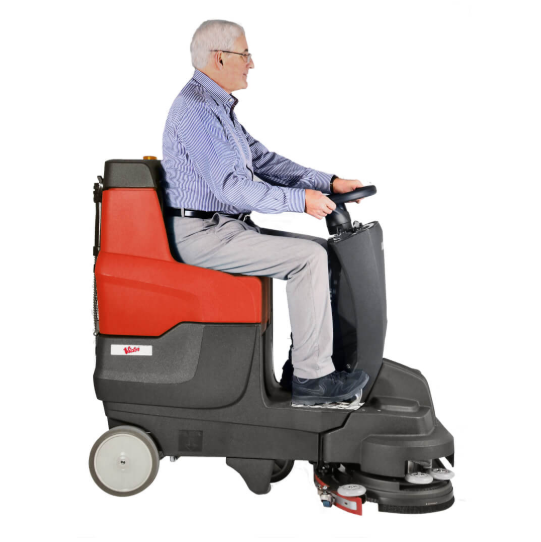
Hiring can make sense when you need equipment for a specific project, temporary cleaning requirement or short-term increase in workload. It also gives businesses the opportunity to use a machine without committing to a permanent purchase. We offer flexible hire periods, from short-term requirements through to longer arrangements. Cleaner floors, safer workplaces does not always require owning every machine you might ever need. Sometimes hiring is simply the more practical option.
What Support Should You Expect From a Cleaning Equipment Supplier?

The machine is only one part of the purchase. Good support can make a considerable difference when you are choosing, using or maintaining commercial cleaning equipment. We help customers select machines based on their actual cleaning requirements and provide services including repairs, servicing, training, transport and other after-sales support. Cleaner floors, safer workplaces should not depend on figuring everything out alone after the machine arrives.
How Can We Help You Find the Right Cleaning Machine?

We supply commercial and industrial cleaning machines for businesses across a wide range of sectors. Our range includes scrubber dryers, sweepers, vacuum cleaners, steam cleaners, carpet cleaners, pressure washers, rotary machines and specialist equipment. We offer hire, new machines and used machines, alongside servicing, repairs and training. With more than 25 years of experience, we can help you compare the options and find equipment that suits your floors, workload and working environment. After all, cleaner floors, safer workplaces starts with having the right machine for the job, not simply the biggest one you can squeeze through the door.
Check out our range of cleaning machines
Cleaning Equipment Services Ltd hire and sell a wide range of new and second-hand top-of-the-line cleaning equipment from industrial vacuums and floor scrubbers to pressure washers and floor polishers etc. Additionally, we also hire powerful steam cleaners at Pure Steam Cleaners. We’re always available to answer any questions and provide guidance on the best cleaning methods and procedures. We’re also very patient and accommodating with explaining the operation and maintenance of the equipment.


